Rolls-Royce (OTC: RYCEY) finished the week at US$16.77, down 0.7% on Friday, but that came after touching a fresh 52-week high of US$18.98 a few days earlier. The ADR is up 41% year-to-date. Question now is whether it can hold those gains into the July 30 half-year report.
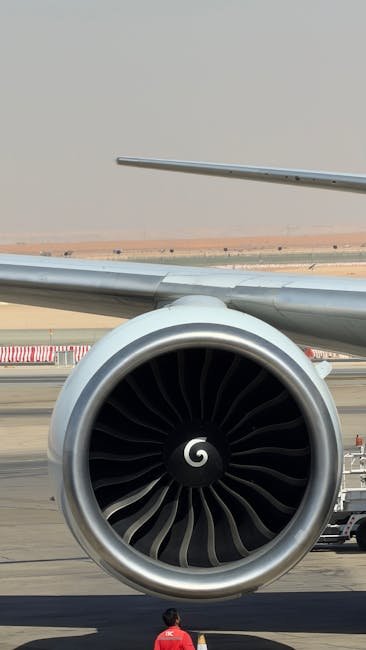
The bull case breaks down into three buckets, and they’re not equally real. Civil aerospace is the one that matters most. Engine flying hours are finally above pre-COVID levels, cash flow turned positive last year and is still climbing, and the aftermarket — which carries the real margins — keeps expanding as more Trent engines enter service. Roughly 5,100 of them are in the installed base, per the latest filing. That number goes up every quarter.
Defence is real too. Last full year it did about £3.5 billion in revenue at stable margins. UK defence spending is drifting toward 2.5% of GDP, and Rolls-Royce powers most of the allied fleet. On June 3 the UK MoD handed them a £4.5 billion contract for the Tempest fighter engine. That locks in revenue well into the 2030s.
The SMR stuff? That’s a call option, not earnings. Four potential UK sites were named on June 2, the government is still behind it, but regulatory approval hasn’t happened yet and construction timelines are imaginary at this stage. Price it at zero for now.
Here’s where it gets tricky. At 33x forward earnings the stock isn’t cheap, and it already prices in a lot of the recovery story. Analysts are mostly on board — 4 Buy, 2 Hold from the six covering the ADR — but a 33x multiple doesn’t leave much room for anything to go wrong. If aftermarket growth slows or defence budgets get squeezed in a future review, that multiple compresses fast.
Management has delivered. The numbers back them up. But at US$16.77 this thing is priced for near-perfection. The July 30 report will tell us whether it earns that multiple or not.