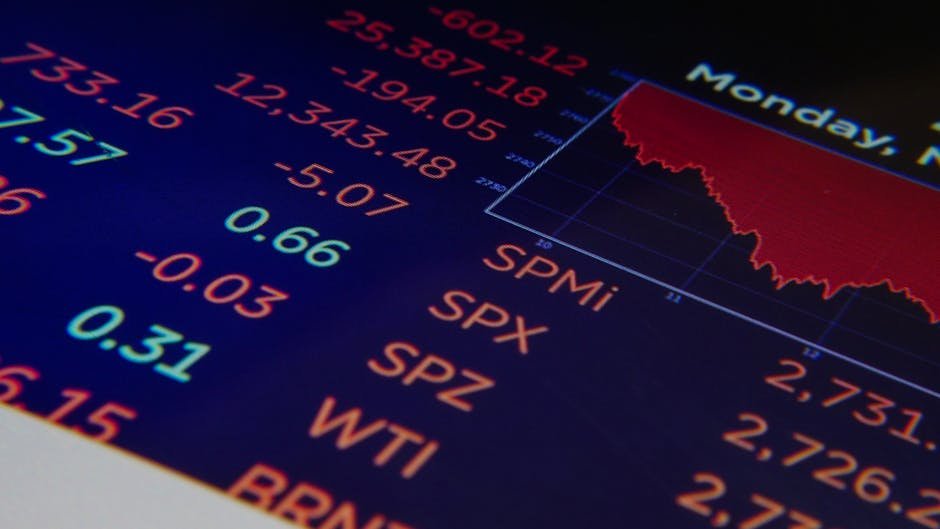
The Nasdaq composite suffered its worst single-day loss of the year on June 5, 2026, plunging 4% as a stronger-than-expected May jobs report sent shockwaves through rate-sensitive growth stocks. The broader S&P 500 also fell sharply in a broad-based selloff that CNN called the “worst day of the year” for Wall Street.
**What Triggered the Selloff**
The catalyst was the May nonfarm payrolls report, which came in at +172,000 jobs added — well above the consensus estimate of roughly +150,000. The upside surprise reignited fears that the Federal Reserve may need to keep interest rates higher for longer, or even resume rate hikes, to prevent the labor market from overheating.
Treasury yields spiked immediately after the release, with the 10-year note climbing to its highest level in weeks. The rate-sensitive Nasdaq was hit hardest, as elevated discount rates compress the long-duration cash flows that justify high valuations in the tech and AI sectors.
**Key Movers**
The selloff was concentrated in the artificial intelligence and high-growth tech names that have led the market rally throughout the year:
– **NVIDIA (NVDA)** fell 6.8%, its worst day since late 2024, as traders rotated out of the year’s best-performing mega-cap.
– **Advanced Micro Devices (AMD)** dropped 5.4%, dragged down by semiconductor weakness.
– **Broadcom (AVGO)** shed 4.9% on heavy volume.
– **Microsoft (MSFT)** fell 3.2%, its largest single-day decline in months.
– **Alphabet (GOOGL)** declined 3.5%, pressured by rising Treasury yields.
– **Super Micro Computer (SMCI)** tumbled 8.1%, leading losses among AI infrastructure plays.
**Market Outlook**
The jobs data puts added pressure on the Fed’s June policy meeting, with traders now pricing in a higher probability of a hawkish hold or even a quarter-point hike. Analysts warned that if next week’s CPI print also comes in hot, the selloff could extend.
“This is a corrective moment for the AI trade,” said one strategist. “The macro backdrop just shifted, and valuations that were already stretched are now vulnerable to repricing.”
Despite the rout, some analysts pointed to the resilience of the broader economy as a positive signal. The 172,000 jobs gain underscores consumer strength, which should support corporate earnings even as the Fed remains cautious.
The Nasdaq closed at 18,142, down 4.0% on the day — its steepest percentage decline since the 2022 bear market lows. The S&P 500 ended at 5,372, down 2.3%.